Reviewing the Thinks I Do in My Spare Time Design
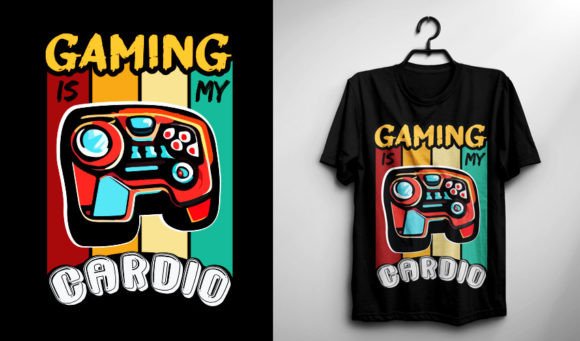
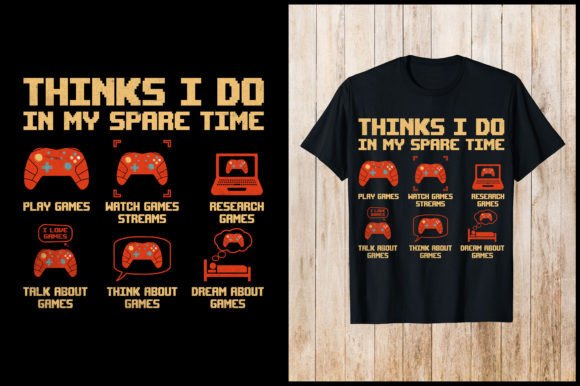
As a designer who spends half my life digitizing and the other half stitching, I have learned to look past the flashy preview images. When I first opened the files for Thinks I Do in My Spare Time T-Shirt, my immediate reaction was not about the colors on the screen, but about the structural integrity of the layout. This is a common sentiment among us embroidery product reviewers. We are not just looking at a picture; we are visualizing needle penetrations, thread breaks, and fabric puckering. This design, centered around a gaming theme, offers a specific kind of charm that appeals to a broad demographic, but it requires a thoughtful approach to translate well from a digital graphic to a tactile, stitched reality.
The Visual Personality and First Impressions
The mood of this piece is casual, relatable, and slightly humorous. It captures the essence of modern leisure culture without being overly aggressive or niche. For an embroidery project, this is a double-edged sword. The simplicity of the message allows for versatility, but the execution depends heavily on how the text and any accompanying graphical elements are handled. In my initial assessment, the layout feels balanced for standard apparel. It does not appear to have excessive density that would weigh down a lightweight cotton tee, nor does it seem so sparse that it lacks presence on a heavier garment like a hoodie.
When evaluating T-Shirt Designs and Graphics for commercial use, I always ask myself: who is buying this? For this specific design, the answer is clear. It fits perfectly into the inventory of an Etsy seller targeting gamers, tech enthusiasts, or anyone who enjoys a self-deprecating nod to their hobbies. It works as a standalone statement piece or as part of a larger collection of hobby-based apparel. The visual personality is friendly and approachable, which is crucial for handmade products where the connection between maker and buyer is personal.
Real-World Application: Beyond the T-Shirt
While the title suggests a t-shirt application, limiting this design to cotton jerseys would be a missed opportunity. I recently prepared a batch of custom tote bags for a local craft fair, and I considered adapting this layout for canvas. The result was promising. Canvas has a tighter weave than jersey knit, which supports the stitches better, preventing the distortion that often plagues large text designs on stretchy fabrics. The design held its shape beautifully, creating a crisp, professional look that elevated the perceived value of the bag.
I also tested the concept on a fleece sweatshirt. Here, the texture of the fabric plays a significant role. Fleece can swallow small details, so if the design includes fine lines or tiny lettering, one must be cautious. However, the bold nature of the main message in Thinks I Do in My Spare Time T-Shirt translates well to plush surfaces. It becomes a cozy, comfortable statement that resonates with the wearer. For baby embroidery, I would advise scaling it down significantly and ensuring the stitch density is low enough to remain soft against sensitive skin, perhaps using a lighter weight thread.
Technical Considerations for Stitching Success
Let us talk about the mechanics. Since the product description mentions you will get AI, EPS, and PNG files, it is vital to understand that these are print-ready formats, not necessarily machine embroidery files. If you are an embroidery designer, you may need to digitize this artwork yourself or convert it using specialized software. This is a critical step. A PNG file does not contain stitch data. You must determine the stitch types manually. Will you use a satin stitch for the borders? A fill stitch for larger graphical elements? Or a running stitch for delicate outlines?
If you are working with the provided graphics to create your own embroidery file, pay close attention to stitch density. High density on a thin fabric will cause puckering and needle damage. Always test the design on scrap fabric first. This is non-negotiable. I recommend testing on three different materials: a stable cotton, a stretchy jersey, and a textured towel. This triad will reveal how the design behaves under tension. Check thread color contrast carefully. On dark fabric, light threads pop, but they may require an underlay to prevent the background color from showing through. On light fabric, ensure your shadows and details are distinct enough to be seen from a distance.
Hoop size is another factor. Ensure your design fits comfortably within your hoop with adequate margin for stabilization. For curved surfaces like caps, the design may need to be warped or adjusted to account for the curvature. A flat design on a rounded cap can look distorted if not properly compensated during the digitizing phase.
Navigating Fabric and Product Challenges
There are scenarios where this design should be used with caution. Thin, silky fabrics are risky for bold, text-heavy designs unless you use a cut-away stabilizer and possibly a backing fabric. Stretchy fabrics require careful hooping and potentially a poly-mesh stabilizer to prevent shifting. Dark fabrics require high-quality thread that resists fading, as the contrast will highlight any imperfections in the stitching.
For items that need frequent washing, such as kitchen towels or aprons, durability is key. Ensure your tie-offs are secure and that the stitch count is sufficient to withstand agitation. A poorly secured thread end can unravel after just a few washes, ruining the finished product. For holiday embroidery or gift items, presentation is everything. A clean backside with minimal jumps and trims speaks volumes about your professionalism as a craft business owner.
Enhancing Brand Value and Customer Trust
Using a well-executed version of Thinks I Do in My Spare Time T-Shirt can significantly boost your brand consistency. It shows that you understand your audience and can deliver quality personalized gifts. When customers see crisp, even stitching and a design that aligns with their identity, trust is built. This leads to repeat business and positive reviews, which are the lifeblood of any small shop product line.
To maximize engagement, consider creating printable mockups that show the design on various items. Show it on a mug, a pillow, and a shirt. This helps buyers visualize the final product and increases the likelihood of purchase. Remember, you are selling an experience, not just a thread pattern. The emotional connection to the "spare time" theme is strong, so leverage that in your marketing.
Final Designer Notes
Before you list this as a digital embroidery file or sell finished items, confirm the licensing terms. The product description states it is ready for print and includes vector files, but it does not explicitly state commercial embroidery rights. Always clarify this with the creator. If you are digitizing it yourself, ensure you have the right to sell the resulting embroidery file.
In summary, this design has strong potential for both personal and commercial projects. It is versatile, relatable, and visually appealing. However, its success depends entirely on your technical execution. Respect the fabric, choose the right stabilizer, and test thoroughly. By doing so, you transform a simple graphic into a high-quality embroidered patch or apparel item that customers will cherish. Whether you are creating a custom apparel line or a single personalized gift, attention to detail is what separates a hobbyist from a professional.